

 Current position > Product detail
『Flow Meter No Pulse La Marzocco Diagnostics: Repairing Espresso Dosing Failures』Related information(flow rotameter|digital flow meter|balo meter|hydraulic flow meter|volumetric meter|positive displacement meter|pitot tube flow meter|displacement meter|cfm meter|variable area flow meter|inline flow meter|differential pressure flow meter|calibrated flow meter|velocity meter|paddle wheel flow meter|oval gear flow meter|anemometer hvac|multiphase flow meter|doppler flow meter|thorpe tube flowmeter|heat flow meter)
Flow Meter No Pulse La Marzocco Diagnostics: Repairing Espresso Dosing Failures
Quick Answer: A flow meter with no pulse on a La Marzocco machine usually means the hall sensor is dead, the impeller is jammed, the wiring is open, or the control board input is faulty. Start by checking the 5V DC supply at the flow meter connector and spinning the impeller by hand while reading the pulse output. Silver Instruments supplies compatible food grade pulse flow meters for espresso dosing lines when a replacement is needed.
What a No Pulse Flow Meter Does on La Marzocco Espresso Machines
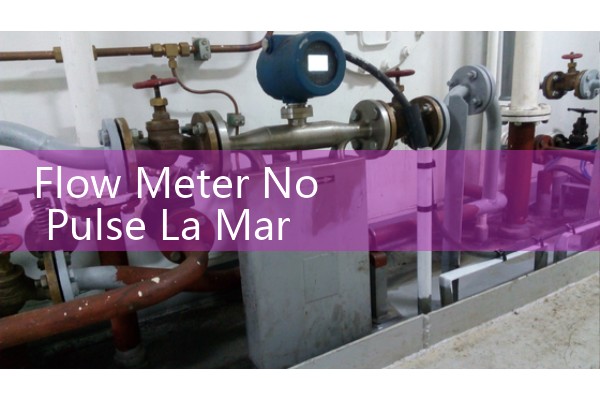
La Marzocco machines such as Linea PB, GB5, and Strada use small inline flow meters with hall effect sensors. The meter sits in the water feed path between the pump and group boiler or brew boiler. Every rotation of the impeller sends a pulse train to the CPU. The CPU counts pulses to control shot volume and dosing. If the pulse train disappears, the machine loses its volume reference. You may see the group run until the timeout or stop after a very short volume. Some baristas report inconsistent shot volumes, no water flow display, or a group that will not stop dosing. In a busy cafe this creates waste, delay, and angry customers.
Field Diagnostics for La Marzocco Flow Meter No Pulse
Most engineers skip this part and jump straight to the board. In practice the flow meter is the cheaper and more likely failure point. Follow these checks in order.
Confirm the meter receives supply voltage. Unplug the connector and measure between the red and black wires. You should see 5V DC on most La Marzocco flow meters. Some older versions use 12V DC. If supply voltage is 0V, trace the harness back to the board or CPU. Do not replace the flow meter yet.
Check the signal wire. Set your multimeter to DC voltage and measure between signal and ground while rotating the impeller. On a working meter the voltage toggles between 0V and the supply voltage several times per second. If the signal stays at 0V or stays at supply voltage, the hall sensor or wiring is faulty.
Remove the flow meter and inspect the inlet screen. Coffee scale, pipe scale, or a small piece of filter media can block the impeller. Clean the body with food grade descaler and rinse with warm water. If the impeller does not spin freely after cleaning, replace the meter.
Inspect the connector pins. Water or steam can enter the connector body on machines with frequent temperature swings. Green corrosion on the pins or a loose crimp can interrupt the pulse train. Push the connector on firmly and test again.
If all checks pass but the board still shows no pulse, use a known good flow meter for a bench test. Disconnect the original meter and plug the test meter into the harness. Blow air through the inlet and watch the display or check the output. This divides the failure between transducer and CPU.
Pulse Output Failure After Descaling or Maintenance
We have seen this on customer sites in Australia and Southeast Asia many times. A technician descaled the espresso machine and the flow meter stopped pulsing the next day. Acidic descaler that sits too long can swell the plastic impeller or damage the hall sensor seal. If the flow meter body uses nylon or PPS plastic, strong acid at high temperature can corrode the magnet cradle. Always flush the line with clean water after descaling. If the meter stops after maintenance, the cause is usually chemical damage or a misrouted wire.
Replacement Flow Meter Options for Espresso Dosing
You can replace the original La Marzocco flow meter with an OEM part. You can also install an aftermarket pulse flow meter with the sa
Control Board and Wiring Checks After the Flow Meter
Sometimes the flow meter pulses but the CPU does not count. This points to a control board input failure, a firmware issue, or noise on the signal line. Check that the signal cable is routed away from the pump motor and heater wiring. A noisy AC line can mask the pulse signal. If you have an oscilloscope, look for a clean square wave at the CPU input. If the wave is clean but the display still reads zero, repair or replace the board.
Common Mistakes That Mask a Flow Meter No Pulse Fault
Do not test the flow meter with a voltmeter set to resistance while the machine is powered. You can damage the hall sensor or the CPU input. Do not assume the flow meter is bad because the pump runs and no water appears. The bypass valve or the pump itself may be at fault. Do not replace the flow meter without checking the K factor. A meter from another La Marzocco model may fit the pipe but send the wrong pulse count per liter.
FAQ
What causes a La Marzocco flow meter to stop pulsing?
The usual causes are a failed hall sensor, a blocked impeller, bad wiring, or a missing 5V DC supply. Chemical damage during descaling can also kill the sensor.
How do I test a La Marzocco flow meter with a multimeter?
Measure supply voltage across the power and ground pins first. Then measure the signal wire while spinning the impeller. A working meter gives a switching signal between 0V and supply voltage.
Can I replace a La Marzocco flow meter with an aftermarket pulse flow meter?
Yes, if the thread size, body length, K factor, and signal type match. Aftermarket food grade pulse meters work for espresso machine water lines. Confirm pulses per liter before ordering.
Where can I buy a food grade pulse flow meter for espresso dosing?
Silver Automation Instruments supplies stainless steel food grade oval gear flow meters with pulse output for water, milk, and syrup dosing. Send us your flow range, pipe size, thread type, and K factor.
My La Marzocco flow meter pulses but the shot volume is still wrong. What should I check?
Check the K factor setting in the CPU, the flow meter orientation, air bubbles in the line, and the bypass valve. A dirty or worn impeller may still pulse but undercount at low flow rates.
For replacement flow meters or technical support, contact Silver Instruments. Tel: +86-25-68650347. WhatsApp: +86-25-52155837. WeChat: +86 15365082610. Send us your flow range in L/h, thread size, K factor in pulses per liter, and signal type. We will quote a compatible pulse flow meter for your espresso dosing line or food beverage process.