

『Double Flow Meter: Dual Thorpe Tube Gas Regulators for Back-Purge Welding』Related information(flow rotameter|digital flow meter|balo meter|hydraulic flow meter|volumetric meter|positive displacement meter|pitot tube flow meter|displacement meter|cfm meter|variable area flow meter|inline flow meter|differential pressure flow meter|calibrated flow meter|velocity meter|paddle wheel flow meter|oval gear flow meter|anemometer hvac|multiphase flow meter|doppler flow meter|thorpe tube flowmeter|heat flow meter)
Dual Thorpe Tube Gas Regulators for Back-Purge Welding: A Practical Selection Guide
Quick Answer: A dual Thorpe tube gas regulator from Silver Automation Instruments gives you two independent gas flow channels in one compact panel. One channel controls the torch shielding gas and the other channel controls the back-purge gas for the weld root side. Common tube ranges run from 0 to 15 L/min up to 0 to 25 L/min with a maximum inlet pressure of 10 bar.
This setup is used in stainless steel, duplex steel, titanium and nickel alloy pipe welding. In practice, welders do not want to carry two separate regulator and flow meter sets from joint to joint. A double flow meter unit solves that problem without adding complicated electronics.
What a Dual Thorpe Tube Regulator Actually Does
A Thorpe tube is a variable area flow meter with a float inside a tapered glass or polycarbonate tube. Gas enters at the bottom and pushes the float upward. The float position shows flow rate on a printed scale. In a dual unit, two tubes sit side by side in a metal or plastic panel. Each tube has its own needle valve for fine flow adjustment.
One common setup looks like this. The left tube feeds the TIG torch shield gas at 8 to 12 L/min of argon. The right tube feeds the pipe internal purge at 5 to 8 L/min of argon. The welder can adjust each flow without changing the other channel. That independence is what makes the dual Thorpe tube design useful for orbital welding, food grade stainless pipe work, and high purity tube installation.
Why Back-Purge Welding Needs Two Controlled Streams
Back-purging displaces oxygen from the weld root side. Oxygen causes black oxide scale, loss of corrosion resistance, and rejected weld coupons in stainless pipe. A steady purge flow keeps the root side clean while the torch side shield gas protects the weld pool. If you use one flow meter after a tee, the two gas paths fight each other. A pressure change in the torch side can change the purge flow. That leads to oxidation defects and wasted argon.
A dual Thorpe tube regulator gives each path its own flow indication and needle valve. Because each path has independent restriction, the flow on the purge side stays stable even when the welder adjusts the torch side. This works well for pipe diameters from DN15 to DN150. For a DN50 stainless pipe, a starting purge flow of 6 L/min is common. For a DN100 pipe, 10 to 15 L/min may be needed depending on the purge dam position and purge time.
Typical Job Sites We Have Seen
We have seen this on customer sites many times. A shipyard in Vietnam ordered dual tube regulator panels for 316L stainless steel pipework on a new vessel. A stainless fabrication shop in Johor Bahru uses one dual unit on each welding cart for food processing pipe. A desalination piping contractor in the Middle East runs nitrogen through the same type of panel for super duplex stainless purge work. In all these cases the operator wanted a small panel that mounts on a wall or on a mobile welding cart.
Most engineers skip this part. They focus on the flow range but forget the inlet pressure. Standard dual Thorpe tube panels from Silver Instruments are rated for 10 bar inlet. The gas source can be a cylinder regulator, a manifold line, or a plant nitrogen header. Install a primary pressure regulator upstream if the source pressure can exceed 10 bar. The outlet pressure from the needle valve to the torch or purge line is typically low, often below 1 bar under actual flow.
Key Specifications to Check Before You Send an Inquiry
When you send a request, include the gas type, flow range in L/min, inlet pressure in bar, outlet pressure in bar, and connection size. We usually quote a panel with G1/4 or 1/4 NPT female ports. Brass bodies are standard for argon, helium, nitrogen and carbon dioxide. For aggressive gas service we can supply stainless steel bodies. The standard tubes are glass with a printed scale. Polycarbonate tubes are available where glass breakage is a concern.
Common tube ranges are 0 to 15 L/min, 0 to 25 L/min, and 0 to 30 L/min. Accuracy for these variable area flow meters is about plus or minus 5 percent of full scale. That is enough for purge and shield gas work because the welder mostly needs repeatability, not laboratory precision. The needle valve should be fine pitch so a small turn does not jump the float from 5 to 15 L
A Recommended Model for Most Stainless Pipe Welding
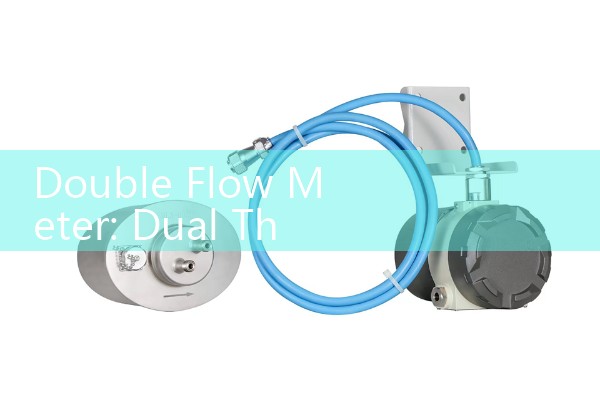
For most back-purge welding jobs, we recommend the Silver Instruments SI-DTT-25B dual Thorpe tube regulator. This panel has two glass tubes, each covering 0 to 25 L/min, with brass body and stainless steel float. The inlet pressure rating is 10 bar. The two needle valves are independent. The panel includes mounting holes for wall or cart installation. If you need a different flow range or a stainless steel body, tell us before ordering. We can adjust the tube scale and valve size to match argon, helium, nitrogen, or a mixed purge gas.
Some customers ask about using one tube for argon shield and one for helium purge. That is possible. However the float reading for helium is different because gas density changes the float position. We can calibrate the second tube for helium if you tell us the gas type in advance. Do not rely on an air calibration for helium. The error can be large enough to cause poor purge coverage.
How to Avoid Common Mistakes
Here is the thing. A dual Thorpe tube regulator works best when the panel is mounted vertically and the gas is clean. If the panel is tilted, the float can touch the tube wall and the reading becomes unreliable. Use a 20 micron line filter upstream. Oil and moisture from an old compressed gas line will contaminate the needle valve seat and cause flow drift.
Another mistake is undersizing the inlet line. A 1/8 inch hose may work for one torch, but not for two channels at full flow. We suggest a minimum inlet hose of 1/4 inch ID for a dual tube panel. If the two channels run at 15 L/min each, the total demand is 30 L/min. A long small bore hose creates pressure drop and the float will not reach the expected scale position.
FAQ: Five Questions Welders Ask Before Ordering
Question 1. Can I use argon and nitrogen on the same dual tube panel at the same time?
Yes. Each tube has its own valve and flow path. You can run argon on one side and nitrogen on the other if both gases are compatible with the wetted materials. Brass and glass are compatible with argon, nitrogen, helium and carbon dioxide. Do not use acetylene or oxygen with a standard brass and glass panel.
Question 2. What is the maximum inlet pressure for the dual Thorpe tube regulator?
Standard units are rated for 10 bar continuous inlet pressure. If your source pressure is higher, install a cylinder regulator or line regulator upstream. The panel itself is not intended for cylinder direct connection without a primary regulator.
Question 3. Do I need a needle valve on both tubes or just the purge side?
For back-purge welding, both tubes need a needle valve. The torch side flow also changes with electrode diameter and joint position. A needle valve on each tube gives independent control and stable settings during a long weld pass.
Question 4. What flow range should I choose for stainless steel pipe welding?
For pipe diameters from DN15 to DN50, choose a dual tube panel with 0 to 15 L/min tubes. For DN65 to DN150, choose 0 to 25 L/min per tube. For larger pipe or high oxygen displacement jobs, contact us with the pipe volume and purge time so we can recommend the correct range.
Question 5. Can Silver Instruments supply spare tubes, floats and valve kits?
Yes. We keep spare glass tubes, polycarbonate tubes, stainless steel floats, needle valve rebuild kits and panel mounting hardware. Send us the model code or a photo of the unit label if the marking is worn.
Quotation and Contact Details
Send us your gas type, flow range in L/min, inlet pressure in bar, outlet pressure in bar, and connection size. We will reply with a price and delivery time within one business day. The inquiry should also include the pipe diameter and material if you are not sure about the flow range.
Silver Automation Instruments
Tel: +86-25-68650347
Whatsapp: +86-25-52155837
WeChat: +86 15365082610
We support customers in Southeast Asia, Oceania, Latin America, Africa and the Middle East. Most dual Thorpe tube regulators for back-purge welding ship within 7 to 10 working days after drawing approval. If you need a custom panel with two flow meter tubes, two needle valves and a certificate of conformance, include that requirement in your first message.
 Hot Blog
 Related AD