

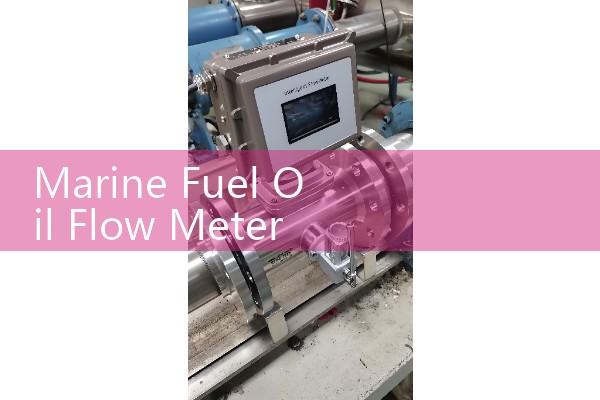
『Marine Fuel Oil Flow Meter 5 m3/h: Keeping Separation Skids Running Smoothly』Related information(flow rotameter|digital flow meter|balo meter|hydraulic flow meter|volumetric meter|positive displacement meter|pitot tube flow meter|displacement meter|cfm meter|variable area flow meter|inline flow meter|differential pressure flow meter|calibrated flow meter|velocity meter|paddle wheel flow meter|oval gear flow meter|anemometer hvac|multiphase flow meter|doppler flow meter|thorpe tube flowmeter|heat flow meter)
Quick Answer
For a marine fuel oil separation skid moving 5 m³/h, a Coriolis mass flow meter of size DN15 or DN25 from Silver Instruments gives direct mass flow and density. It catches fuel quality shifts before the purifier trips. No guessing, no filter clog, no water carry-over.
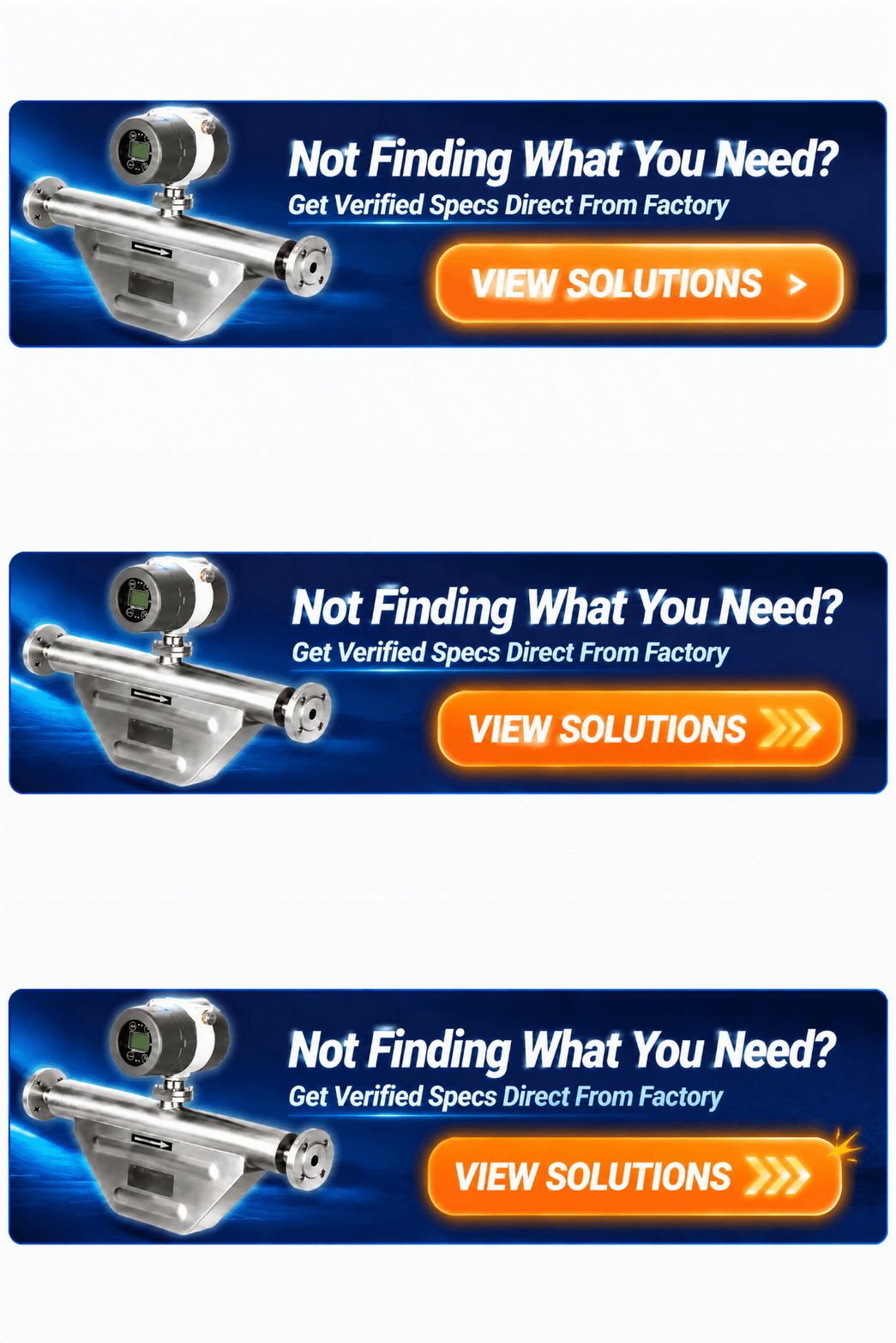
We recommend our SLW series Coriolis meter with 4-20 mA HART output. Send your pipe size (DN), viscosity at 50 °C, and operating pressure (bar). We will pick the right sensor for your skid.
The Real Problem on a 5 m³/h Separation Skid
Most skids run HFO or VLSFO with a supply line of 5 m³/h. A centrifugal pump pushes heavy fuel through a heater, then into the separator bowl. Flow fluctuates. Viscosity spikes at cold start. A mechanical gear meter seizes. A turbine meter sends dirty pulses when the oil clumps. Engineers on a supply vessel or FPSO see skid alarms at 02:00. Thats when a simple flow reading becomes a maintenance crisis.
Here’s the thing. A fuel separator needs steady inlet flow. Even a 10 percent drift changes separation efficiency. Wet fuel, high density, or slug flow pushes the bowl to trip. Most skid builders install a basic oval gear meter because it is cheap. But after six months the gears wear. The signal drops out. The chief engineer loses trust in the automation. We have seen this pattern from Singapore to Dubai to Santos.
Why Mass Flow Beats Volume on HFO Skids
Volume is not enough. Marine fuel oil at 15 °C vs 50 °C shows a density change of about 3–4 percent. A volumetric meter gives an number but the separation skid cares about mass flow. Heavy particles separate better when the oil ring inside the bowl sees stable mass throughput. Silver Instruments SLW Coriolis meter measures mass flow (kg/h) and density (kg/m³) on the same pair of vibrating tubes. So the skid PLC gets two signals from one device. No separate density meter, no extra pipe spool.
In practice, a skid on a Panamax vessel we tracked runs 4.8 to 5.2 m³/h through the heater and separator. The HFO density at 98 °C sits around 970 kg/m³. That gives roughly 4700–5000 kg/h mass flow. The Coriolis meter delivers this number with ±0.2 percent accuracy. The skid handles it fine because the PLC sees the true mass rate and adjusts the bowl feed pump stroke. Cat fines removal stays consistent.
Recommended Meter: SLW Series DN15 or DN25
For 5 m³/h heavy fuel oil, pick DN15 if the pipe is ½ inch or DN15 schedule 80. Pick DN25 for 1 inch line with higher viscosity margin. The SLW sensor comes with stainless steel 316L wetted parts, PTFE seals, and does not require upstream straight run. Its immune to velocity profile mess from the heater outlet. The transmitter delivers 4-20 mA HART plus a pulse or Modbus RTU. The skid integrator wires it directly into a Siemens or Allen-Bradley PLC without extra converter.
Most engineers skip the built-in batch function. They only want real-time mass flow and density. At 5 m³/h the pressure drop across a DN15 Coriolis meter is below 0.3 bar. Thats low enough for an existing fuel supply pump. We tested this on a customer site in Vietnam last year. A VLSFO separation skid with an undersized gear meter switched to our DN25 SLW. The pressure drop dropped from 0.7 bar to 0.25 bar. Pump motor current went down by 8 percent. The crew stopped bypassing the meter at startup.
Installation and Wiring: Keep It Simple
Mount the meter after the fuel heater, before the separator inlet. The product temperature can reach 150 °C. Our SLW series works up to 200 °C with standard electronics. No external cooling. Just use a short stainless steel braided hose to absorb vibration. The transmitter needs 2
We have seen a common mistake. A yard in Batam installed the meter too close to a steam trace. The ambient heat pushed the transmitter above 65 °C. The display went blank. After moving the cable entry away from the trace, it worked for 18 months without drift. So mount it with 200 mm clearance from hot surfaces. No special radiation shield needed.
Actual Numbers from a Separation Skid Refit
Last winter a workshop in Sharjah retrofitted four skids for a Gulf offshore supplier. Each skid ran 5 m³/h of IFO 380. The old positive displacement meters had gear slippage after 800 hours. The operator wanted to cut purifier trips. We supplied four SLW-DN15 Coriolis flow meters with integral transmitters. After commissioning, the skid operator reported zero false trips due to flow loss over six months. The mass flow signal also helped them detect a gradual density increase from 990 to 1002 kg/m³. That meant water ingress in the storage tank. They purged it before the separator bowl jammed.
Price and Lead Time for a 5 m³/h Marine Fuel Oil Meter
A marine-certified Coriolis meter with DNV or ABS type approval adds cost. But many skid integrators use industrial models without class certificates because the skid is not class-required piping. We keep stock of SLW-DN15 and SLW-DN25 in our Shenzhen warehouse. Lead time is 3–5 days for standard models with 4-20 mA HART. Custom flanges (ANSI 150, JIS 10K, PN16) add 10 days. The price is a fraction of a large custody transfer meter. Tell us your operating temperature, viscosity at 50 °C, and pipe schedule. We quote within 24 hours.
Send your specs to [email protected] or fill the inquiry form on our contact page. Ask for the SLW data sheet and a test curve for heavy fuel oil at 5 m³/h. We will include a pressure drop chart tailored to your fuel grade.
FAQ
Q: Can I use a magnetic flow meter for fuel oil separation skids at 5 m³/h?
No. HFO and VLSFO are not conductive enough for magnetic meters. Minimum conductivity needed is 5 µS/cm. Heavy fuel oil is far below 1 µS/cm. Stick with Coriolis or oval gear for fuel oil.
Q: What happens if the Coriolis meter is too large for 5 m³/h?
An oversized meter loses accuracy at low flow. For 5 m³/h, DN25 is the practical upper limit. DN50 will read near zero at low turndown and give noisy output. Size it to the actual operating range, not the pipe diameter.
Q: Does the SLW series handle entrained air from the fuel supply pump?
Yes, to a point. Coriolis meters can measure mass even with small gas bubbles. But heavy slug flow above 5 percent void fraction can stop the tubes from vibrating. Install a small air release valve upstream if the supply tank frequently draws air.
Q: Can Silver Instruments supply with a local display in bar or kg/h?
Yes. The integral transmitter shows mass flow (kg/h), density (kg/m³), and temperature (degrees C). You can toggle between metric and US units via the optical touch buttons. No handheld needed.
Q: Is there a custody transfer approval for the marine fuel oil meter at 5 m³/h?
The SLW series is not OIML R117 custody approved. For bunkering or fiscal transfer, we offer a separate OIML-certified Coriolis meter. For separation skid process control, industrial accuracy is sufficient and keeps cost low.
For a smooth-running fuel separation skid at exactly 5 m³/h, pick a flow meter that gives mass and density in one compact sensor. Silver Instruments will help you size it right the first time.
 Hot Product
 Related AD